


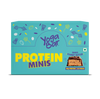





Short answer: the best protein oats in India are the ones whose label proves the protein: a stated figure per 100 g, a named protein source, low added sugar and a short ingredient list. Plain rolled oats sit at roughly 12 to 13 g protein per 100 g, so anything marketed as high protein should clearly beat that.
Key takeaways
- Compare protein per 100 g, not per serving. Serving sizes vary, and a large serving makes a claim look bigger.
- Check where the extra protein comes from. Named sources such as whey or soy isolate are easier to judge than "protein blend".
- Look at the sweetener. "No added sugar" can still mean a sweetened mix, so read the ingredient list.
- Protein oats are convenient. Plain oats plus a scoop of protein powder is the cheaper DIY alternative.
- Yoga Bar's 26g High Protein Oats are labelled High Protein, No Added Sugar and Added Probiotics.
Disclosure: Yoga Bar makes 26g High Protein Oats. We give you the checklist first, then show how our oats fit it, so you can apply the same test to any brand.
Protein oats vs regular oats
Regular oats are a good source of fibre but only a moderate source of protein. Protein oats add isolated protein (such as whey, soy or pea) to rolled oats so a bowl delivers a much higher protein count. Our guide to steel cut, rolled and instant oats covers the base grain.
|
Option |
Protein (indicative) |
Convenience |
Best for |
|---|---|---|---|
|
Regular rolled or instant oats |
Roughly 12 to 13 g per 100 g |
High |
Basic fibre-rich breakfast |
|
Flavoured instant oats |
Similar base protein, often with added sugar |
High |
Occasional, sweeter breakfast |
|
Protein oats (protein added) |
Higher per 100 g; check the label |
High |
Busy mornings, higher protein target |
|
DIY: plain oats plus protein powder |
About 5 g from a 40 g portion of oats plus the scoop |
Medium |
Control over ingredients and cost |
|
Labelled 26 g protein; compare on a per 100 g basis |
High |
Ready-to-cook high protein breakfast |
Six checks for any protein oats
|
Check |
What good looks like |
Red flag |
|---|---|---|
|
Protein per 100 g |
A figure clearly above the 12 to 13 g of plain oats |
Only a per-serving number, with no serving weight |
|
Protein source |
Named sources, such as whey, soy or pea isolate |
"Protein blend" with no breakdown |
|
Sugar and sweetener |
No added sugar, or a named natural sweetener such as dates |
Sugar, glucose syrup or sucralose in the first ingredients |
|
Oats percentage |
Oats listed first with a stated share |
Oats not first, or share not disclosed |
|
Fibre and sodium |
Fibre stated; sodium kept moderate |
High sodium for a breakfast product |
|
Ingredient list |
Short and recognisable |
Long list of gums, flavours and colours |
The same discipline we recommend in how to read a protein label applies here. Compare per 100 g first, then look at serving size and price per 100 g.
Worked example: why per 100 g matters
Suppose one pack says "20 g protein" for an 80 g serving and another says "15 g protein" for a 50 g serving. Per 100 g, the first gives 25 g and the second gives 30 g. The pack with the smaller headline number is actually denser in protein. Always divide protein by serving weight and multiply by 100.
How Yoga Bar 26g High Protein Oats fit the checklist
- Claims: the product page lists High Protein, No Added Sugar, Added Probiotics, and "40% of your daily protein need".
- Sweetening: the range is date sweetened rather than sugar sweetened.
- Range: seven flavours, ranked in our 26g Protein Oats review.
- Where to check: the nutrition panel and ingredient list are printed on the pack and shown as images on the product page. Check the protein per 100 g and serving weight there before you buy.
Start with 26g High Protein Oats in Dark Chocolate or the bestseller combo, or browse the full oats and quinoa range.
Other protein oats you will see on shelves
Brands such as MuscleBlaze, Alpino, Pintola and True Elements also sell protein oats in India. Formulas and flavours change often, so we do not quote their numbers here. Apply the six checks above to each label on the day you buy.
DIY option: plain oats plus protein powder
If you prefer to control ingredients, cook plain oats and stir in a scoop of protein powder once the pan is off the heat. Our protein powder guide helps you choose one, and the 5 high protein breakfast recipes show quick methods.
Who should choose what
- Choose protein oats if mornings are rushed and you want a ready-to-cook, higher protein bowl.
- Choose plain oats plus protein powder if you want full control over sweetener and cost.
- Choose regular oats if fibre is your main goal and you already get protein elsewhere in the day.
- Check with a doctor or dietitian if you have kidney disease, diabetes or an allergy to whey, soy or nuts.
Sources
- Nutrition values for plain oats: add a citation (for example a national food composition table) before publishing.
- Yoga Bar claims: 26g High Protein Oats product page
Frequently Asked Questions
Q1: Which are the best protein oats in India?
The best protein oats show protein per 100 g clearly above plain oats (roughly 12 to 13 g), name their protein source, keep added sugar low and have a short ingredient list. Compare each brand on those checks. Yoga Bar's 26g High Protein Oats are labelled High Protein with no added sugar.
Q2: Are protein oats better than regular oats?
They are better if your goal is higher protein with little effort, because isolated protein is added to the oats. Regular oats remain a good, cheaper fibre source. Choose by your protein target and budget.
Q3: How much protein is in oats?
Plain rolled oats typically list roughly 12 to 13 g protein per 100 g. Protein oats add isolated protein on top, so check the per 100 g figure on the pack.
Q4: Are protein oats good for weight loss?
They can help because protein and fibre promote fullness, but total calories still decide weight change. Measure portions and check the sugar and fat on the label.
Q5: Can I eat protein oats every day?
Most healthy adults can, as part of a varied diet. Vary your breakfasts through the week and confirm with a doctor or dietitian if you have a kidney or metabolic condition.
Q6: Do Yoga Bar protein oats contain added sugar?
The product page lists No Added Sugar, and the range is date sweetened. Check the ingredient list on your specific flavour for the exact sweetener.