






Cold coffee and protein seem like an unusual combination until you try it, and then it makes complete sense. Caffeine for focus and reduced fatigue, protein for muscle recovery, together in a cold drink after a hot workout. The appeal is obvious.
India's RTD (ready-to-drink) protein shake market has grown significantly over the past three years, and cold coffee is its most popular flavour by a significant margin. That's partly taste preference (Indians love cold coffee), but the science underneath it is also worth understanding, because the combination of caffeine and protein actually has some evidence behind it, beyond marketing copy.
What's in a cold coffee protein shake
A good RTD protein coffee drink is essentially three things: protein, caffeine, and a liquid base.
Protein source: The best options use whey protein concentrate or isolate. 20-26g per 250ml bottle is the range that puts you in meaningful muscle-recovery territory. Under 15g and you're essentially just buying an expensive coffee.
Caffeine: Either from cold brew coffee or natural coffee extract. A typical RTD protein coffee contains 60-100mg of caffeine per 250ml, roughly equivalent to a double espresso. That's enough to produce measurable effects on performance and soreness, without being so high that it disrupts sleep if consumed before evening sessions.
Sweeteners: This is where RTD products vary enormously. Some use significant quantities of added sugar (15-25g per bottle), which turns a protein drink into a dessert beverage. Others use artificial sweeteners like sucralose. Yoga Bar's version uses minimal sweetener and relies on natural coffee bitterness and a small amount of natural flavouring to balance the taste.
Stabilisers and emulsifiers: Protein doesn't naturally stay suspended in liquid. Without emulsifiers, a protein shake separates over time. Sunflower lecithin and carrageenan are common options. Carrageenan has drawn some attention in studies on gut inflammation, though the evidence at typical food-use doses is not conclusive. Sunflower lecithin is the cleaner choice.
What caffeine actually does post-workout
Caffeine is one of the most well-studied performance compounds in sports nutrition. What it does during exercise is well-established. What it does post-workout is less commonly discussed.
Reduced DOMS (delayed onset muscle soreness): A 2013 study published in the Journal of Pain found that caffeine consumption reduced muscle soreness by about 48% compared to placebo after eccentric exercise. This is one of the more robust findings in the research and helps explain why many gym-goers intuitively reach for coffee after training, not just habit, but actual symptom relief.
Glycogen resynthesis: A 2008 study in the Journal of Applied Physiology found that caffeine consumed with carbohydrates post-exercise increased muscle glycogen resynthesis by 66% compared to carbohydrates alone. This is relevant primarily for endurance athletes and people doing multiple high-intensity sessions per day, but it's not irrelevant for anyone doing glycogen-depleting training.
Cognitive recovery: Training, particularly high-intensity training, produces mental fatigue alongside physical fatigue. Caffeine helps counteract the cognitive aspect, which matters if you're training early morning or fitting a session between work commitments.
The one legitimate concern with post-workout caffeine: timing. If you train in the evening and consume 100mg of caffeine within six hours of sleep, it can meaningfully degrade sleep quality, and sleep is when most of the actual muscle repair happens. For evening gym-goers, consuming the RTD shake within 30 minutes post-workout is fine. Consuming it at 10pm while doing abs at home is not.
Pre-workout vs post-workout: when should you drink it?
This comes up constantly. The short answer: either works, but they work differently.
Pre-workout: Caffeine consumed 30-60 minutes before training produces its peak ergogenic effects during the session, improved endurance, higher power output, reduced perceived exertion. The protein doesn't do much pre-workout for performance, but it does contribute to your daily protein total and means you're not training fully fasted.
Post-workout: The protein does its primary job post-workout, supporting muscle protein synthesis. The caffeine provides DOMS reduction and extends the focus window into whatever comes next in your day. For morning gym sessions where you're going straight to work, the post-workout cold coffee shake genuinely serves two purposes simultaneously.
Most people who use RTD protein coffee find post-workout works better because the caffeine hit during training is already done. The protein shake post-workout is recovery-focused rather than performance-focused.
Why cold brew matters in RTD coffee protein drinks
Not all RTD coffee protein drinks use cold brew. Some use hot-brewed coffee that's been chilled, or artificial coffee flavouring. The difference matters.
Cold brew coffee is made by steeping ground coffee in cold water for 12-24 hours rather than using hot water. The result has lower acidity than hot brew (roughly 60% less by most measurements), slightly different caffeine extraction, and a smoother, less bitter taste.
In an RTD protein shake, lower acidity matters for two reasons: it's gentler on the stomach lining (relevant post-intense-exercise when the gut is already stressed), and it plays better with milk-based protein without causing the curdling effect that hot coffee can produce when mixed with dairy protein.
The smoother flavour profile also means less sweetener is needed to make the product taste balanced, which keeps the sugar count lower.
Yoga Bar cold coffee RTD protein shake: the specifics
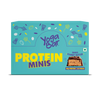
Yoga Bar's RTD protein cold coffee delivers:
• 26g protein per 250ml bottle
• Cold brew coffee base (not artificial flavouring)
• No sucralose: sweetened with a small quantity of natural sweetener
• ~90mg caffeine per bottle from the coffee base
• Available chilled and shelf-stable
The 250ml format is deliberately portable. It fits in a gym bag side pocket and doesn't require refrigeration until opened. Browse the full range: Yoga Bar RTD Protein Shakes.
How to read an RTD protein shake label
The same label literacy that applies to protein powder applies to RTD shakes, arguably more so, because liquid products have more room to hide added sugars and fillers that don't affect the texture or appearance.
Key numbers to check per 250ml bottle: Protein (20g minimum, 25g+ is good), Added sugar (under 8g), Total caffeine (should be disclosed; 60-100mg is the functional range), Ingredient list (coffee or coffee extract should appear early in the list, not as a trace flavouring at the end).

RTD protein shakes vs mixing your own
Making your own protein shake with cold brew coffee at home is cheaper, roughly Rs.30-40 per serving vs Rs.80-130 for an RTD. The nutritional profile can be equivalent or better if you're using a high-quality protein powder and good cold brew.
Where RTD wins is convenience and consistency. An RTD shake is ready at the exact moment you need it, at a known temperature, with a consistent flavour. You don't need to have made cold brew in advance, cleaned a shaker, or remembered to pack powder.
For people who train during a commute window, RTD shakes genuinely remove a friction point. For people with a home gym and five minutes post-workout, making your own is perfectly reasonable.
FAQ
Q1: Can I drink a coffee protein shake on an empty stomach?
Yes, though some people find high caffeine on an empty stomach causes nausea or gut discomfort. If you're training fasted in the morning, consume the shake quickly after your session rather than during the session.
Q2: Does caffeine reduce protein absorption?
No. There's no evidence that caffeine interferes with protein digestion or absorption. The combination is physiologically complementary, not competitive.
Q3: Is the protein in RTD shakes the same as powder?
Functionally, yes. Whey protein in liquid form works the same as whey protein reconstituted from powder. The protein doesn't degrade from being in liquid form as long as it's within the product's shelf life.
Q4: How much caffeine is safe post-workout?
For most adults, 200-400mg of caffeine per day is considered safe by the European Food Safety Authority. A 250ml RTD coffee protein shake at 90mg represents a modest portion of that. The concern is timing (evening consumption) rather than quantity for most gym-goers.
Q5: Can I heat a cold coffee protein shake?
Not advisable. Heating whey protein above 70 degrees Celsius begins to denature it. The protein itself doesn't become dangerous, but it may change texture and become grainy. Cold coffee protein shakes are designed to be consumed cold.
Q6: Are RTD protein shakes good for weight loss?
They can be. At 130-160 calories per 250ml bottle with 26g protein, the caloric density is modest and the protein content is high enough to sustain satiety. Replacing a 500-calorie post-workout snack with one of these reduces total daily calories while maintaining protein intake.
The bottom line
Cold coffee protein shakes aren't just a trend. The combination of caffeine and protein post-workout has genuine science behind it, DOMS reduction, glycogen resynthesis support, and cognitive lift when you need it. The fact that it also tastes like a cold coffee is a genuine bonus.
What separates the good RTD options from the mediocre ones is the protein quantity, the quality of the coffee base (cold brew vs flavouring), and the sweetener choice. Yoga Bar's RTD protein cold coffee holds up on all three.