


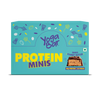




What's Actually in a Protein Date Ball
The base of any date protein ball is dates, blended or processed into a binding paste, combined with nuts and seeds for texture, fat, and additional protein, and in the better formulations, a genuine protein source — whey, plant protein, or nut butter concentration — rather than just relying on the nuts alone.
This matters because 'protein ball' is not a regulated category. A product can carry the label with almost no meaningful protein contribution, or it can be genuinely formulated to deliver a useful amount per piece.
How to Tell a Genuine Protein Snack from a Marketing One
|
Check |
Genuinely Healthy |
Marketing-Led |
|---|---|---|
|
Protein per ball/serving |
3g+ per piece from an actual disclosed source |
Under 1g, or protein content not disclosed per piece at all |
|
Sweetener |
Whole dates as the primary sweetness source, no added sugar syrup |
Dates plus honey, glucose syrup, or added sugar stacked on top |
|
Ingredient list |
Short, recognisable: dates, nuts, seeds, maybe a named protein source |
Long list including glucose syrup, palm oil, artificial flavouring |
|
Serving size on label |
Realistic single-ball serving size |
Serving size set to 2–3 balls to make the per-serving numbers look better |
|
Calorie density framing |
Presented as a snack, not a “guilt-free” unlimited food |
Marketed as calorie-free or diet food despite being calorie-dense |
The Nutrition Reality: Dates Are Not a Low-Calorie Food
Dates are nutrient-dense but also calorie-dense — roughly 20–25 calories per date, with natural sugar making up a large share of that. A ball built mostly from dates and nuts, even without any added sugar, is not inherently low-calorie. That doesn't make it unhealthy; it makes it a legitimate energy-dense snack rather than a diet food, and “guilt-free” marketing that implies otherwise is where the myth-busting matters most.
Where date balls genuinely earn their place is as a whole-food alternative to processed sugar-and-syrup snacks: the sugar comes packaged with fibre, potassium, and (when nuts and seeds are included) protein and healthy fats, rather than being an isolated sugar hit.
No-Bake Format: What It Means for Quality
No-bake preparation preserves more of the nutrient profile of raw nuts and seeds compared to baked snacks, since heat processing can degrade certain vitamins and healthy fats. It also tends to mean a shorter, simpler ingredient list, since no-bake recipes rely on the binding properties of dates rather than flour, oil, and baking agents.

Common Myths About Protein Date Balls
|
Myth |
Fact |
|---|---|
|
Date balls are a low-calorie snack |
Dates and nuts are both calorie-dense whole foods — date balls are a legitimate whole-food snack, not a low-calorie one |
|
“No added sugar” means completely sugar-free |
Dates themselves contain substantial natural sugar; “no added sugar” only means nothing extra was added during manufacturing |
|
Any snack with “protein” on the label delivers meaningful protein |
Protein content varies enormously by formulation — always check the actual grams per piece, not just the word on the front of the pack |
|
Homemade is always healthier than packaged |
Not necessarily — a well-formulated packaged clean-label option with disclosed ingredients can be just as good as a homemade version, and more consistent in portion and nutrition |
Frequently Asked Questions
Q1. Are protein date balls actually healthy?
They can be a genuinely healthy whole-food snack when built from dates, nuts, seeds, and a real disclosed protein source, without added sugar syrups. They're calorie-dense rather than low-calorie, so portion awareness still matters.
Q2. How much protein is actually in a protein date ball?
This varies widely by brand and formulation — always check the grams of protein per piece specifically rather than assuming the word “protein” on the label guarantees a meaningful amount.
Q3. Are date balls good for weight loss?
They can fit into a weight-management plan as a whole-food snack replacement for processed sweets, but they aren't a low-calorie food — portion control matters. For a broader look at how snack choices affect weight goals, see Is Muesli Good for Weight Loss? The Truth + Nutrition Data, which covers the same calorie-density principle.
Q4. Do date balls contain added sugar?
A genuinely clean-label date ball shouldn't need added sugar — dates themselves provide the sweetness. Check the ingredient list for glucose syrup, honey, or added sugar stacked on top of the dates as a red flag.
Q5. Are protein date balls suitable for a pre-workout snack?
Yes — the combination of quick-digesting natural sugar from dates and slower-digesting fat and protein from nuts makes them a reasonable pre-workout option, similar in logic to some of the options covered in 10 Best Post-Workout Snacks in India 2026.
Q6. Can I eat protein date balls every day?
As an occasional snack, yes, for most people. Because they're calorie-dense, treating them as an unlimited “guilt-free” food rather than a portioned snack is where people most commonly overdo it.
The Bottom Line
Protein date balls sit in genuinely useful territory when they're built the right way: whole dates for sweetness, real nuts and seeds, and a disclosed protein source that actually adds up to a meaningful number per piece. The marketing risk isn't the format itself, it's inflated “guilt-free” framing on a naturally calorie-dense whole food. Read the ingredient list and the per-piece protein number, and the genuine ones are easy to tell apart from the ones riding the trend.