






Vegan protein powder in India has come a long way. Five years ago, the options were mostly imported, expensive, and tasted like chalk. Today, there are Indian brands making plant-based protein that's genuinely worth using.
But the market has also attracted a lot of low-quality products riding the plant-protein trend. Some brands slap 'vegan' on the label and charge a premium for something that barely delivers on the protein count. Others use protein sources that sound impressive but lack essential amino acids your body can't manufacture on its own.
This guide explains what actually matters when choosing a vegan protein powder in India, and why the source, not just the quantity, is the thing to scrutinise.
Why plant protein is trickier than whey
Whey protein has one major advantage over plant protein: it's a complete protein with a high biological value, meaning your body can absorb and use a large proportion of what you consume. It also blends easily and has a relatively neutral taste.
Most individual plant protein sources don't check all those boxes. Here's the honest breakdown:
Pea protein is the workhorse of vegan protein powders. It's high in branched-chain amino acids (BCAAs), particularly leucine, which is the primary trigger for muscle protein synthesis. It digests slowly and is well-tolerated by most people. The main drawback: it's low in methionine, one of the nine essential amino acids.
Brown rice protein fills the methionine gap. Combined with pea protein in roughly a 70:30 ratio, you get a profile that comes very close to whey in terms of amino acid completeness. This is why most high-quality vegan protein powders use a blend rather than a single source.
Soy protein is technically a complete protein on its own, but it's fallen out of favour with many consumers due to concerns about phytoestrogens and the fact that most commercial soy is heavily processed. Whether the phytoestrogen concern is clinically significant at typical doses is genuinely debated, but consumer preference has shifted away from soy anyway.
Hemp protein is trending but genuinely not ideal for muscle building. It's about 30-35% protein by weight (compared to 80%+ for a good pea protein isolate), which means you'd need a very large serving to hit 20g of protein. It does have good omega fatty acid content, but as a protein source it's not efficient.
Collagen protein appears in many Indian 'plant-based' supplements. To be clear: collagen is not vegan (it comes from animal connective tissue), and it's also a poor-quality protein for muscle synthesis because it's missing tryptophan. Don't be fooled by 'collagen beauty protein' products in this category.
What 20g protein actually means for plant proteins
On a whey protein label, '25g protein per serving' is relatively straightforward. On a plant protein label, you need to know two additional things.
Digestibility: Plant proteins have lower digestibility scores than whey in most standardised tests. Pea protein scores around 0.82 on the Protein Digestibility Corrected Amino Acid Score (PDCAAS), compared to 1.0 for whey. In practical terms, if you're consuming 25g of plant protein, you're absorbing slightly less of it than the same number from whey. A good blend brings this score up significantly. Pea plus rice blends can hit 0.95+.
Amino acid completeness: Always check whether the product lists its amino acid profile. A vegan protein powder that doesn't disclose its BCAA content is often hiding a weak leucine number. Leucine in particular matters: research from the Journal of Nutrition suggests you need at least 2-3g of leucine per serving to maximally stimulate muscle protein synthesis. Check that number specifically.
Reading the label on Indian vegan protein powders
A clean vegan protein powder label looks something like this:
• Protein per serving: 20g+
• Protein sources listed individually with quantities (not 'plant protein blend' without details)
• Sweetener: stevia, monk fruit, or none. Not sucralose or acesulfame K.
• No proprietary blends hiding the ratio of ingredients
• Third-party testing: Trustified or equivalent certification
Many Indian brands, particularly newer D2C ones, don't list amino acid profiles on their labels. That's not necessarily a dealbreaker, but it does mean you can't verify the completeness of the protein. For brands that do list the full amino acid breakdown, that transparency is a meaningful signal of quality.
Flavour and mixability: what to actually expect
The most common complaint about vegan protein powders is that they taste earthy or 'planty', particularly pea protein in high concentrations. The flavour comes from the protein itself, not the additives.
Good brands mask this with natural cocoa, vanilla, or flavour compounds without using excessive sweeteners. The chocolate variants tend to work best for masking the pea protein earthiness, which is why Yoga Bar's plant protein powder leads with chocolate as the primary flavour.
Mixability varies more than taste does. Pea protein doesn't dissolve as cleanly as whey isolate in cold water. You'll often get a slightly grainy texture if you just shake it in a bottle. A blender or BlenderBottle with a metal whisk gives significantly better results. Mixed with oat milk or almond milk instead of water, the texture improves considerably.
Yoga Bar plant protein powder: the specifics
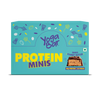
Yoga Bar's plant protein powder uses a pea-rice protein blend that hits 25g protein per serving. The chocolate 500g pack is the most popular SKU, though it also comes in a 1kg option for regular users.
• No sucralose. Sweetened with stevia, which doesn't carry the same gut concerns.
• Full amino acid profile disclosed on the label.
• FSSAI certified. Verifiable label claims.
• Dairy free. No cross-contamination risk for lactose-intolerant users.
The chocolate flavour is genuine. It uses Dutch cocoa rather than artificial chocolate flavouring. If you've been burned by vegan proteins that promise 'rich chocolate' and deliver brown-flavoured dust, this one is different.
Browse the full range: Yoga Bar Plant Protein Powder. Available in 500g and 1kg.
How to use plant protein effectively
Timing matters less than total daily intake. The 'anabolic window' idea (that you must consume protein within 30 minutes of training) has been largely overstated in research. Total daily protein intake (1.6-2.2g per kg of bodyweight for active individuals) matters far more than precise timing.
Combine with food when possible. Plant protein powders pair well with oat milk, banana, or peanut butter in a shake. The additional calories and macronutrients improve the overall nutritional quality of the meal and slow digestion in a way that sustains satiety.
Give your gut a few weeks to adjust. Some people experience bloating when they first switch to pea protein. This usually settles within two to three weeks as your digestive system adapts. Starting with a half-serving for the first week can help.

Vegan protein vs whey: which should you choose?
The honest answer depends on your situation.
If you have no dietary restrictions and your primary goal is muscle building, whey protein has a slight edge in bioavailability and leucine content. It's not a massive difference, and a well-formulated plant blend comes close, but the edge exists.
If you're lactose intolerant, vegan, or simply prefer to avoid dairy, a high-quality pea-rice blend does the job. Multiple studies over the past five years have shown comparable muscle building results between whey and pea protein when total leucine content is matched.
If you're dealing with digestive issues with whey, plant protein is worth trying. Many people find it easier on their gut, particularly those with mild dairy sensitivities who assumed they were fine with whey.
FAQ
Q1: Is plant protein powder good for muscle gain?
Yes, when the amino acid profile is complete. A pea-rice blend with sufficient leucine content (2g+) will support muscle protein synthesis comparably to whey. The key is total daily protein intake, not the source.
Q2: Can I use vegan protein powder if I'm not vegan?
Absolutely. Many non-vegan gym-goers use plant protein because they're lactose intolerant, prefer the digestibility, or simply want to reduce their dairy intake. The protein still works the same way.
Q3: How much protein do I need per day?
For strength training, 1.6-2.2g of protein per kg of bodyweight is the range supported by current research. A 70kg person training four days a week needs roughly 112-154g of protein daily. One shake covers 25g of that, the rest comes from food.
Q4: Is soy protein safe for men?
The phytoestrogen concern is widely cited but the evidence at typical supplemental doses is not convincing. Multiple meta-analyses have found no significant effect of soy protein on testosterone levels in men at normal serving sizes. That said, if it concerns you, a pea-rice blend sidesteps the question entirely.
Q5: What's the shelf life of plant protein powder?
Most plant protein powders have a 12-24 month shelf life from manufacture. Once opened, store in a cool, dry place and use within 3-4 months for best taste and efficacy. Pea protein is more prone to clumping with moisture than whey, so keep the lid tightly sealed.
Q6: Can I bake with vegan protein powder?
Yes, but with caveats. Plant protein powders absorb more moisture than whey when baked, so recipes need more liquid. The chocolate variants work particularly well in protein brownies or energy balls where the batter stays moist.
Bottom line
The best vegan protein powder in India in 2026 is a pea-rice blend with a disclosed amino acid profile, no artificial sweeteners, and third-party testing. Those three criteria alone filter out a large portion of what's on the market.
Yoga Bar's plant protein powder clears all three. For anyone building muscle, managing a dairy-free diet, or simply wanting a cleaner protein source, it's a solid starting point.